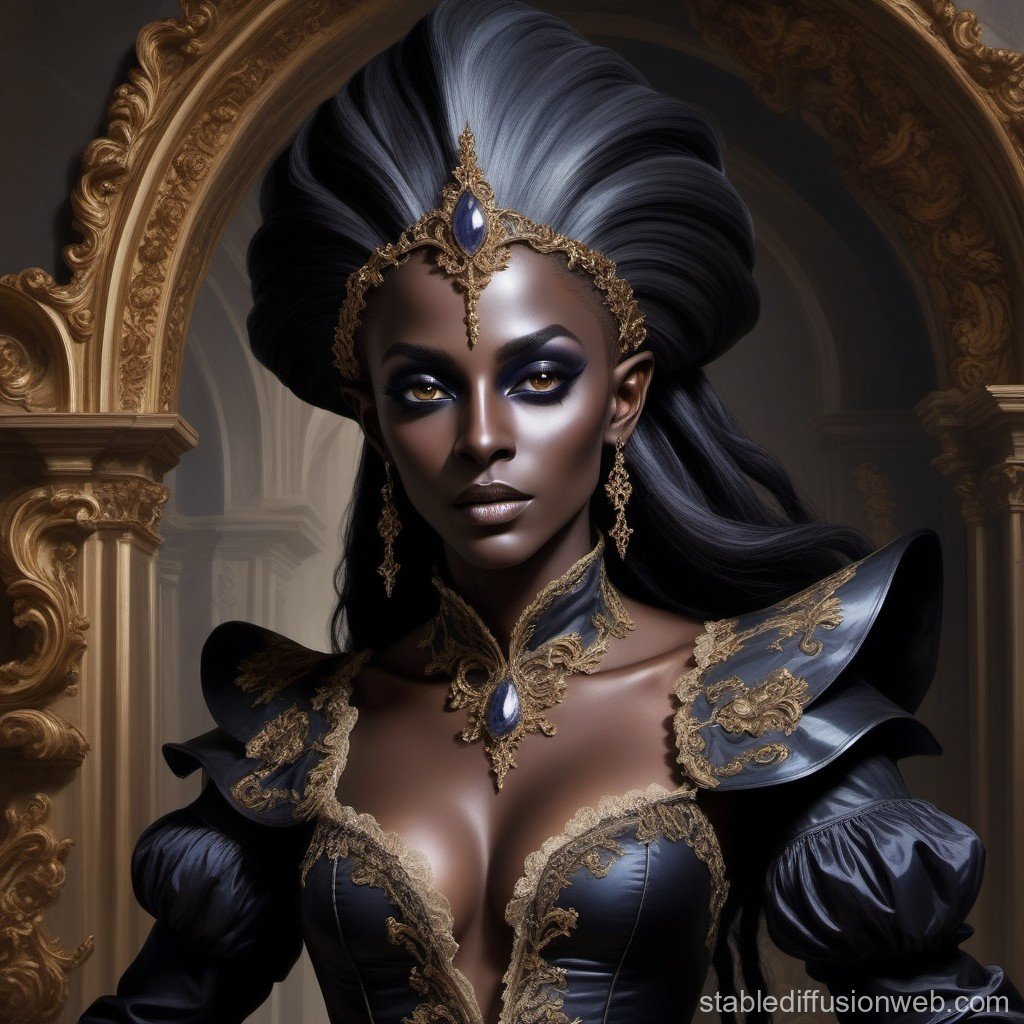
Delving into the intricate world of Dark Elf Lore & Naming Conventions offers a fascinating journey through shadowed realms, complex hierarchies, and names that whisper of power and peril. From the subterranean cities of the Drow to the ash-blasted lands of the Dunmer, these enigmatic elves share a heritage steeped in ancient conflicts and a culture often defined by its ruthless beauty. Understanding their nomenclature isn't just about picking cool-sounding words; it's about grasping the very essence of their identity, lineage, and unforgiving societies.
At a Glance: Dark Elf Lore & Naming Essentials
- Diverse Origins: While often called 'drow' or 'Dark Elves,' specific types like Drow (D&D), Dunmer (Elder Scrolls), and Shadow Elves each have unique lore.
- Physical Traits: Typically pale or dark brown skin, white or black hair, slender, taller than humans, often with beautiful but stern features.
- Cultural Hallmarks: Matriarchal societies, strict hierarchies, widespread slavery, spider goddess worship (Lolth for Drow), intricate house politics, and dark magic.
- Naming Significance: Names reflect social status, house allegiance, personal achievements, and often honor deities or specific geographical features.
- Gendered Patterns: Female names often convey authority; male names suggest cunning, stealth, or martial prowess.
- Structural Elements: Common prefixes (Mal-, Nag-, Mor-), specific feminine (-ith, -iel) and masculine (-ond, -ar) endings.
- Influence Factors: Ancestral worship, dark deities, seasonal calendars, and fortified cities all play a role in name selection.
Who Are the Dark Elves? A Glimpse into Ancient Origins
Imagine an elven race, ancient and proud, yet fundamentally twisted by millennia of dark choices and even darker magic. These are the Dark Elves, often known by various names such as Drow, Ssri-tel-quessir, or Druchii, depending on the world you inhabit. Their lineage is frequently traced back to the mythical elven kingdom of Ilythiiri, a society whose ambition or fall from grace set them on a divergent, shadowy path from their lighter-skinned kin.
Physically, Dark Elves are striking. They stand taller and more slender than humans, their long limbs and nimble fingers betraying a natural grace. Their skin can range from an ashen pallor to a deep, dark brown, beautifully contrasted by stark white or obsidian black hair. While their features are naturally beautiful, they are often marred by the sneers, scowls, or cold indifference that speak volumes of their disposition and world view. Even their armor, usually ornate and sinister, with swirling patterns in black, gold, and silver, hints at a culture that prizes both aesthetic and intimidation.
Cultures Forged in Shadow and Cruelty
Across the myriad fantasy worlds they inhabit, Dark Elf societies consistently stand out for their ruthlessness and an almost artistic dedication to inflicting pain. These aren't societies built on communal harmony; they are intricate webs of power, fear, and ambition. As skilled raiders, corsairs, and pirates, they often dominate trade routes or terrorize coastal settlements, bolstering their economies with plunder and the spoils of war.
At the core of many Dark Elf cultures lies a rigid, often matriarchal, hierarchy. Power flows from the top down, frequently wielded by cunning priestesses or powerful sorceresses. Slavery isn't just a byproduct; it's the very backbone of their economy, providing the labor and tribute necessary to sustain their decadent and demanding lifestyles. Beyond the lash, other key cultural aspects include:
- Spider Goddess Worship: For many Drow, the primary deity is Lolth, the Spider Queen, whose capricious demands and tests of faith drive much of their societal structure and individual ambition.
- Intricate House Politics: Noble houses, bound by ancient rivalries and alliances, constantly jockey for power. These political games are often bloody, ruthless, and highly strategic.
- Dark Magic Connections: A deep affinity for dark magic and deities runs through their veins, influencing everything from their arcane practices to their daily rituals.
Meet the Families: Drow, Dunmer, and Shadow Elves
While united under the broad banner of 'Dark Elf,' these distinct sub-races showcase how diverse the concept can be. Each has unique characteristics, origins, and, crucially for our purpose, naming conventions shaped by their unique lore.
The Drow of Dungeons & Dragons
When most people hear "Dark Elf," they often picture the Drow. These iconic underground-dwelling elves from Dungeons & Dragons, particularly within the Forgotten Realms' Underdark, are infamous for their complex matriarchal society. Ruled by powerful priestesses of Lolth, their cities like Menzoberranzan are bastions of treachery and dark splendor.
Drow names are often sharp, melodic, and can feel ancient. Surnames are intensely house-based, signifying allegiance and social standing. Think of families like Do'Urden or Melarn, immediately recognizable to any D&D enthusiast. The first name is personal, but the house name declares your power and heritage.
The Dunmer of The Elder Scrolls
Venturing into the world of The Elder Scrolls, you encounter the Dunmer, or 'Dark Elves,' native to the ash-swept volcanic lands of Morrowind. Unlike the Drow's dark skin, Dunmer are known for their distinctive ash-gray skin and piercing red eyes—a curse or blessing from their patron deity. Their culture is rich with ancestral worship, honoring the spirits of their forebears, and shaped by the powerful Great Houses (Redoran, Telvanni, Hlaalu, Dres, Indoril) and the divine guidance of the Tribunal.
Dunmer naming traditions reflect these influences. Names often have a somewhat alien, guttural, yet elegant sound, blending syllables that evoke their unique history. Family names signify their Great House affiliation or ancestral legacy, often carrying an ancient, almost mournful weight, suitable for a people who have faced immense hardship and divine intervention.
The Enigmatic Shadow Elves
Beyond these well-known examples, various fantasy settings feature "Shadow Elves." These mysterious elves are often described as being profoundly touched by shadow magic, existing on the fringes or in realms steeped in darkness. Their origins might stem from a pact with a dark entity, exposure to a realm of pure shadow, or a unique magical evolution.
Shadow Elf naming patterns are, understandably, influenced by these thematic elements. You'll find names that resonate with gothic themes, mystical traditions, and the essence of darkness itself. They might incorporate words relating to twilight, moon, night, whispers, or subtle power, creating names that sound both ethereal and unsettling.
The Echo of Lineage: Why Dark Elf Names Matter
In Dark Elf society, a name is far more than just a label; it's a declaration. It's a statement of who you are, where you come from, and what you represent. These names reflect a harsh culture and complex history, resulting in monikers that sound melodic yet undeniably menacing, often characterized by sharp consonants and flowing vowels.
A Dark Elf name carries deep significance. It can immediately communicate your family status, your allegiance to a powerful house, or even a personal achievement that has earned you renown (or infamy). This is particularly true in societies where lineage and bloodlines are paramount, and a misstep in addressing someone by their proper title or name could have dire consequences.
Crafting Authority: Female Naming Traditions
In many Dark Elf societies, particularly the Drow, women often hold positions of equal or even greater power than men. This matriarchal structure is deeply ingrained, and it profoundly influences their naming conventions. Female names tend to convey authority, strength, and an elegant, often sinister, grace.
Think of names like Morathi, the legendary hag queen, or Atharti, a goddess of pleasure and excess. These names often possess a commanding quality, signaling the wearer's capacity for leadership, magical prowess, or ruthless ambition. Feminine endings frequently incorporate sounds like -ith, -iel, -shi, or -thi, giving them a distinct and powerful resonance. A name like Khalida might evoke a warrior queen, while Ilythiiri (a house name) carries an ancient, foundational weight.
Whispers of Cunning: Male Naming Traditions
While women often hold the reins of power, Dark Elf males are far from inconsequential. They frequently fill roles as warriors, spies, assassins, and sorcerers, excelling in cunning, stealth, and martial prowess. Their names reflect this.
Male Dark Elf names often incorporate elements that suggest these traits. They might sound more abrupt or direct, hinting at a warrior's resolve or a rogue's sharp wit. Masculine names frequently end with sounds such as -ith, -ond, -ar, or -ek. Examples like Malekith, the Witch King, or Naggaroth, a reference to a grim locale, clearly demonstrate this. A name like Drachau evokes a sense of danger, while Vaulkhar might suggest a powerful warrior.
Bloodline & Legacy: The Power of Surnames & Titles
Lineage and family connections are profoundly important to Dark Elves. A family name isn't just an identifier; it's a banner you carry, for better or worse. Names often directly reference ancient houses, prestigious bloodlines, or famous (or infamous) ancestors, embedding the individual within a rich and often turbulent history.
For the Drow, house names like Melarn, Sethomiir, or the ancient Ilythiiri are critical. They determine social standing, political alliances, and one's place within the complex web of Underdark society. In the Elder Scrolls, Dunmer house names serve a similar purpose, denoting Great House affiliations.
Beyond the given and family names, titles or honorifics are frequently added to indicate social position, rank, or significant achievements. A warrior might be known as "Darkblade," a sorceress as "Shadowblade." These additions not only elevate the individual but also reinforce the strict social structures and rigid etiquette that define Dark Elf interactions.
The Dark Influence: Deities, Seasons, and Cities
The pervasive influence of dark deities and the insidious grip of shadow magic heavily influence name choices. A child born under the aegis of a particular god or during a significant mystical event might carry a name honoring that patron or occasion.
Consider the Dark Elf calendar, often divided into four seasons:
- Blood/Khaine: Associated with the bloody-handed god of murder.
- Despair/Ereth Khial: Linked to a deity of death and shadows.
- Decadence/Atharti: Connected to a goddess of pleasure and excess.
- Savagery/Anath Raema: Tied to a primal war goddess.
Children born during these periods might receive names or elements of names honoring these divine patrons or seasonal themes, embedding their destiny or character from birth.
Geographical locations also play a crucial role. Famous cities or landmarks can inspire names, reflecting a deep connection to their often-grim homelands. Naggarond (the Tower of Chill), Har Ganeth (the City of Executioners), and Karond Kar (the Tower of Despair) are more than just places; they are concepts that resonate through their naming lexicon. The six heavily fortified Dark Elf cities might also lend their names or elements thereof to their inhabitants, imbuing names with a sense of place and formidable power.
Anatomy of a Dark Elf Name: Structure and Sounds
Dark Elf names follow specific structural patterns that contribute to their unique melodic yet menacing quality. Most names typically consist of two or three syllables, striking a balance between elegance and impact. However, names of the ruling classes or those of noble heritage may be longer and more elaborate, designed to showcase their esteemed bloodlines and ancient prestige.
Common prefixes often relate to concepts of power, darkness, or conquest, immediately signaling the name's underlying themes:
- Mal-: Often associated with malice, darkness, or ill intent (e.g., Malekith).
- Nag-: Evoking chill, dread, or serpentine qualities (e.g., Naggaroth).
- Mor-: Suggesting shadow, death, or dark beauty (e.g., Morathi).
- Druch-: A common prefix for Dark Elf in some settings, implying power or darkness.
- Har-: Often linked to places or grim aspects (e.g., Har Ganeth).
- Kar-: Evoking strength, fortresses, or despair (e.g., Karond).
As discussed, gender-specific endings are also a key feature: - Feminine Endings: Often use -ith (Khalida, Hellebron), -iel (Moriel), -shi (Lilithshi), or -thi (Morathi) sounds, contributing to their authoritative and elegant resonance.
- Masculine Endings: Frequently end with -ith (Drizzt, Malekith), -ond (Naggarond, not a personal name but an example of the sound), -ar (Drachar), or -ek (Malek).
These structural elements, when combined, create names that are instantly recognizable as Dark Elven, carrying with them the weight of their lore and culture. If you're looking for more inspiration, a specialized Dark elf name generator can provide a wealth of options tailored to these conventions.
From Concept to Character: Practical Naming Strategies
Creating a Dark Elf character, whether for a tabletop RPG or a novel, requires careful thought about their name. Their name is the first impression, a linguistic hint at their entire identity. Here’s how to approach it strategically:
- Define Their Place in Society: Are they a noble, a common warrior, a powerful magic-user, or a downtrodden slave?
- Nobility/Ruling Class: Lean towards longer, more elaborate names with prestigious prefixes and perhaps an ancient-sounding surname. Think names that echo power and ancestral lineage.
- Warrior/Rogue: Names might be sharper, more direct, hinting at martial prowess or cunning. Consider titles like "Darkblade."
- Magic-User: Look for names with mystical elements, flowing vowels, or connections to dark deities. "Shadowblade" could fit here.
- Slave: If they were stripped of their birth name, their new name would likely reflect their lowly status – short, practical, or even demeaning.
- Hint at Profession or Skills: Weave in elements that subtly suggest their talents. A sorceress might have a name with a soft, ethereal quality, while a fierce warrior's name could sound more guttural and impactful. The name Clar, for example, is short and sharp, perhaps suiting a quick, decisive warrior.
- Consider Their Longevity: Dark Elves live for centuries. Their names often include archaic elements, giving them a timeless, ancient feel. This also means their name might evolve, gaining honorifics or epithets over time.
- The Shortening & Alteration Test: How might their name be shortened by friends (if they have any) versus enemies? A complex noble name might be shortened to a derogatory nickname by rivals, or a term of endearment by a rare confidante. This reflects the complex social structures and rigid etiquette where a name's form can signal respect or disdain.
Famous Faces & Archetypes
To truly grasp the power of Dark Elf naming, consider some well-known figures:
- Drizzt Do'Urden: The most famous Drow, his first name is sharp yet melodic, while "Do'Urden" immediately marks him as belonging to a powerful (though outcast) house.
- Jarlaxle Baenre: A rogue Drow mercenary, his name sounds exotic and slightly mischievous, fitting his character. "Baenre" signifies his noble, though exiled, lineage.
- The Matrons of Menzoberranzan: Think of names like Matron Malice, Matron Triel, Matron Mez'Barris, Matron Zeerith. Each name exudes authority and the sinister grace of Drow priestesses.
- General Examples:
- Male: Malekith, Naggaroth, Karond, Drachau, Vaulkhar, Darkblade.
- Female: Morathi, Atharti, Khalida, Hellebron, Shadowblade, Clar.
- Family/House: Melarn, Sethomiir, Ilythiiri, Othreier.
These names resonate because they are deeply embedded in the lore, sounding authentic to their culture and carrying the weight of their actions and origins.
Common Misconceptions About Dark Elf Names
When you're diving into Dark Elf naming, it's easy to fall prey to a few common assumptions. Let's clarify some:
- Misconception: All Dark Elf names sound evil.
- Reality: While many convey a menacing tone, some (especially female names) can be melodic and elegant, conveying authority or mystical power rather than overt evil. The perceived "evil" often comes from the culture, not just the sound.
- Misconception: Names are randomly generated for cool factor.
- Reality: Dark Elf names are rarely arbitrary. They carry deep significance, reflecting social status, house allegiance, and personal achievements. A name might literally mean "Child of Despair" or reference an ancient, powerful ancestor.
- Misconception: Slaves retain their birth names.
- Reality: In many Dark Elf societies, slaves are stripped of their birth names and given new ones reflecting their lowly status, severing their connection to their heritage and reinforcing their dehumanization.
- Misconception: Male and female names follow identical patterns.
- Reality: There are distinct patterns. Female names often convey authority and have specific elegant or powerful endings, while male names often incorporate elements suggesting cunning, stealth, or martial prowess, with different common endings.
Your Journey into the Shadows: A Final Word
Understanding Dark Elf lore and naming conventions is more than an academic exercise; it’s an invitation to weave richer, more compelling narratives. Whether you're a Dungeon Master creating a Drow antagonist, a writer crafting a Dunmer protagonist, or a player designing a unique Shadow Elf character, the names you choose are your character's first story. They hint at their past, define their present status, and even foreshadow their destiny.
By embracing the intricate patterns, the cultural influences, and the deep significance behind each syllable, you’re not just naming a character; you’re breathing life into an ancient, powerful, and often terrifying legacy. So, as you ponder your next Dark Elf creation, remember the whispers of ancient houses, the demands of dark deities, and the enduring echo of lineage that shapes every name in the shadowed realms.