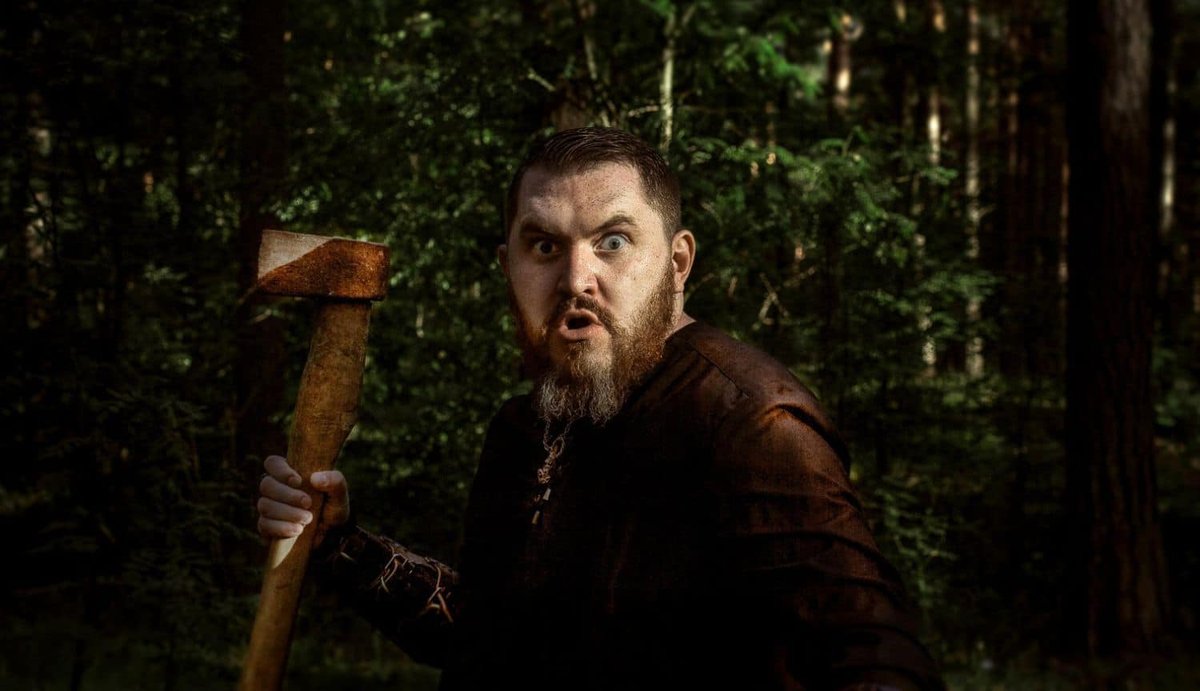
When crafting a male Dark Elf character, the name you choose isn't just a label; it's the first whisper of their story, a reflection of their enigmatic nature, and a hint at the power they wield. For those diving into the shadows of fantasy worlds, understanding Male Dark Elf Names & Meanings is paramount to breathing life into a truly compelling figure, be it a cunning rogue, a formidable warrior, or a master of arcane arts.
At a Glance: Choosing Your Dark Elf's Name
- Align with Essence: Match the name to your character's personality, backstory, and role (e.g., sorcerer, leader).
- Embrace Darkness: Prioritize names that evoke mystery, power, and a deep connection to the night and shadows.
- Master the Sound: Favor sharp consonants (X, Z, V, K, R) for an elegant yet fierce, exotic feel.
- Explore Themes: Utilize categories like "Mysterious," "Sinister," "Nature-Inspired," or "Regal" to guide your choice.
- Flexibility is Key: Don't hesitate to combine elements or draw inspiration from existing lore to forge truly unique names.
- Seek Meaning: A name's underlying meaning adds depth and reinforces your character's identity.
Unveiling the Dark Elf: More Than Just a Name
Dark Elves, often known as Drow or Dunmer in various mythologies, are not your typical woodland sprites. They are creatures of shadow and intrigue, embodying a dangerous elegance and formidable intelligence. Their societies often thrive in hidden, subterranean cities, far from the sunlit world, fostering a culture steeped in ancient traditions, complex hierarchies, and powerful magic.
These elusive beings are frequently associated with shadow, fire, or arcane magic, their prowess in these arts reflecting their inherently dark and mysterious character. When you choose a name for your male Dark Elf, you're not just picking sounds; you're echoing this rich background, signaling their clan, house, or family history, and hinting at their unique connection to power, deception, nature, or even regal lineage. To truly grasp the nuances, you might want to delve deeper into Dark Elf lore itself before committing to a name.
The Art of Dark Elf Naming: Core Principles
A great Dark Elf name tells a story before your character ever utters a word. It sets the tone, hints at their past, and defines their presence.
Reflecting Your Character's Soul: Personality, Traits, and Role
Before you even glance at a list, consider the male Dark Elf you're creating. Is he a swift, silent assassin, a charismatic but ruthless leader, a reclusive and powerful sorcerer, or a hardened warrior sworn to protect his house?
- The Rogue: Needs a name that suggests stealth, cunning, and perhaps a touch of danger. Think short, sharp, and slightly elusive.
- The Sorcerer: Calls for a name that sounds ancient, arcane, or resonant with magical power. Long, multi-syllabic names with lyrical yet dark qualities often fit well.
- The Warrior: Benefits from a name that implies strength, ferocity, or a storied lineage of combat. Strong, grounded sounds work best here.
- The Leader/Noble: Requires a name that evokes authority, intelligence, and perhaps a hint of ancestral pride or a feared reputation. Names with a regal cadence are ideal.
Choosing a name that aligns with these fundamental aspects ensures it feels authentic and enhances your character's overall identity.
Embracing Shadows and Power: Evoking Mystery and Night
Dark Elves live and breathe the shadows. Their names should naturally resonate with this connection. Think about words associated with night, darkness, power, mystery, and an intimate, sometimes dangerous, beauty.
- A name like Shadowbane immediately tells you something about a character's purpose or abilities.
- Vesper conjures images of the evening star, a subtle nod to the fading light and the rise of darkness.
- Consider names that have connotations of hidden depths, unspoken threats, or ancient, unfathomable power. This emphasis on the unseen and the potent is central to the Dark Elf identity.
The Sound of Dark Power: Utilizing Sharp Letters and Structure
The phonetic quality of a Dark Elf name is crucial. It needs to sound elegant yet fierce, exotic yet pronounceable. This is where specific letters become your allies.
- Sharp Consonants: Letters like X, Z, V, K, R are hallmarks of Dark Elf names. They create a distinct, almost guttural yet refined sound that conveys power and edge.
- Examples: Xylos, Zarthus, Vhagar, Kaelen, Rask.
- Vowel Sounds: Mix in strong vowel sounds (e.g., 'ae', 'ai', 'y') to add a melodic, sometimes haunting, quality.
- Structure: Many effective Dark Elf names are two or three syllables, striking a balance between brevity and gravitas. They often have a somewhat alien or ancient feel, separating them from common human or even High Elf names.
If you're looking for more guidance on building a character from the ground up, our comprehensive guide to Dark Elf character creation can offer deeper insights.
Unveiling Thematic Name Categories
To simplify your search, we've broken down male Dark Elf names into several thematic categories, each designed to evoke a specific aspect of their rich and complex nature.
Mysterious and Powerful Echoes
These names hint at a character's inherent strength, enigmatic presence, or a destiny intertwined with potent forces. They often have a sophisticated, almost ancient feel, perfect for a leader or a formidable mage.
- Shadowbane: One who banishes light or challenges darkness with a darker power.
- Draven: Often associated with ravens, symbolizing mystery, prophecy, or death.
- Morwen: A name implying great strength or a connection to darkness and shadows.
- Vesper: The evening star, signaling the approach of night and twilight's secrets.
- Zephyr: Evokes control over wind or an elusive, swift nature.
- Nyx: Directly linked to the Greek personification of night, a powerful and primordial force.
- Seraphim: Though often angelic, its sound lends an air of majestic, almost forbidden power here.
- Malachi: A name with dark, foreboding, or sinister undertones.
- Ravenna: Suggests a captivating individual with a mysterious, perhaps dangerous past.
- Vileth: Implies malevolence, cruelty, or a formidable, ruthless disposition.
Names that Cloak in Darkness
For characters deeply rooted in the night, shadow, and the unseen, these names are ideal. They speak of stealth, hidden abilities, and an intimate connection to the dark elements.
- Shadowspire: A towering, imposing figure linked to the darkest places.
- Midnightbane: One who commands or overcomes the deepest night.
- Nightraven: A sentinel or scout of the night, swift and observant.
- Darkthorn: Dangerous, prickly, and connected to the dark, untamed aspects of nature.
- Darkblade: A skilled warrior or assassin, their weapon a dark extension of themselves.
- Shadowfang: Ferocious and stealthy, like a predator of the night.
- Blackheart: A name for a character with a truly ruthless or morally ambiguous core.
- Nightshade: Poisonous, seductive, and thriving in darkness.
- Grimshadow: A somber, menacing presence, always accompanied by shadow.
- Shadowstrike: A swift, decisive attacker from the unseen.
- Duskblade: A warrior who operates effectively during twilight hours.
- Shadowweaver: One who manipulates shadows, perhaps for magic or illusion.
- Nightwhisper: A master of secrets, subtle influence, or stealthy communication.
- Shadowstalk: A relentless hunter or tracker, moving silently through the dark.
- Darkcloak: One who prefers secrecy and concealment, their true nature hidden.
Nature's Dark Embrace
Even in their subterranean domains, Dark Elves often have a profound connection to a distorted or potent form of nature. These names draw inspiration from elements that are dangerous, primal, or thrive in shadowed environments.
- Thorn: Suggests a dangerous, protective, or unyielding personality.
- Shadowleaf: A master of stealth and camouflage, blending into dark foliage.
- Nightshade: Symbolizes something beautiful yet deadly, thriving in the dark.
- Stormrider: One who commands or is associated with powerful, destructive weather.
- Moonstone: Connected to the moon's mystical power, lunar cycles, or hidden magic.
- Ashenwood: Evokes themes of death, tranquility, or ancient, desolate forests.
- Wolfbane: A name for one feared by predators or possessing a dangerous, wild nature.
- Duskshadow: Active and powerful during the liminal hours of twilight.
- Ravenwing: Symbolizes darkness, freedom, death, or keen observation.
- Nightfall: A name for someone who thrives as darkness descends, signifying their prime.
Whispers of Sinister Cunning
For the schemers, the manipulators, and those who excel in deception, these names carry an undercurrent of intelligence, trickery, and a keen, often ruthless, mind.
- Azgaroth: Implies a highly manipulative or demonic intelligence.
- Malachai: A dark, foreboding name, suggesting a sinister presence.
- Ravenna: Can also suggest deception, a captivating facade hiding darker intentions.
- Syndra: Associated with shadowy arts, illusion, or subtle manipulation.
- Zephyrus: While nature-inspired, it can also imply hidden intentions or an elusive, hard-to-pin-down nature.
- Sylvaris: Often interpreted as "silver-tongued," denoting eloquence and persuasive cunning.
- Draegan: Suggests trickery, illusion, or a deceptive appearance.
- Vexor: A name that literally means "to annoy" or "trouble," implying a character who causes discord.
- Ambrosius: While traditionally divine, in a dark context, it can hint at deceptive immortality or forbidden knowledge.
- Thalindra: A powerful name suggesting "mistress of shadows," or deep knowledge of hidden things.
- Lokaris: Evokes mischief, cunning, and a playful yet dangerous intelligence.
Gothic Grandeur and Eerie Allure
These names carry a sense of ancient dread, melancholic beauty, and a certain dark sophistication. They are perfect for characters with a dramatic flair or those from old, aristocratic Dark Elf lines.
- Lucius: "Light," but in a dark context, can imply a fallen angel or a seductive darkness.
- Draven: (Repeated for emphasis on its versatility) Still associated with ravens and gothic mystery.
- Malachi: Carries a strong, almost biblical, dark tone.
- Severus: Implies strictness, severity, and an unyielding will.
- Ragnar: A strong, historical Norse name that fits the fierce, dark aesthetic.
- Valerian: A powerful, ancient-sounding name with a dignified, almost haunting quality.
- Leander: "Lion-man," but in a gothic context, can suggest a noble but predatory nature.
- Thorn: (Repeated for its strong gothic imagery).
- Ezekiel: A prophet's name, but its sound can evoke ancient, dark prophecies.
- Alistair: A classic, aristocratic name that can fit a dark noble with gravitas.
Echoes of History and Ancient Lineages
Many Dark Elf names have a timeless quality, hinting at ancient origins, legendary figures, or a connection to the deep past of their race. These are ideal for characters with a strong heritage or those embodying ancient traditions.
- Lareth: An elegant, classic fantasy name.
- Zanthir: Suggests arcane knowledge or an ancient lineage.
- Nyxen: A variation of Nyx, reinforcing a connection to primal night.
- Draven: (Again, for its timeless, symbolic quality).
- Sylthas: A graceful yet mysterious name.
- Myrddin: Drawing from Merlin, implying powerful, ancient magic and wisdom.
- Erevan: An ethereal, ancient-sounding name.
- Maelis: A softer but equally ancient Dark Elf name.
- Thalas: A name that feels grounded in ancient history.
- Valerian: (Once more, for its strong historical feel).
Remember that the deep history of Dark Elf societies, their underground cities, and their unique magical practices often influence how names are perceived. Exploring the intricacies of Dark Elf magic systems can even inspire names related to specific schools of spellcraft.
Names Befitting Royalty and Command
For Dark Elf characters destined for leadership, nobility, or wielding significant power within their societal structures, these names convey authority, sophistication, and a certain formidable presence. They often reflect a house or clan's legacy.
- Lord Aethorin: A name that immediately communicates high rank and ancient nobility.
- Prince Serenthil: Suggests an heir to power, refined yet capable.
- High Priest Vaelthor: Denotes divine authority and mastery over spiritual or arcane matters.
- King Dravenar: A powerful ruler, a more regal and formidable version of Draven.
- Duke Eldorin: A high-ranking nobleman, implying influence and command.
- Lord Malachius: Conveys immense power and influence, perhaps with a sinister edge.
- Regent Morgana: While traditionally female, the name's gravitas and association with wisdom and authority can inspire male variations.
When considering names for a noble Dark Elf, you might also want to explore the nuances of Dark Elf society and customs to ensure the name fits within the established hierarchy.
Beyond the List: Crafting Truly Unique Names
Sometimes, a single name from a list isn't quite right. That's where creativity and customization come in. The most memorable Dark Elf names often emerge from combining elements or modifying existing inspirations.
Mixing and Matching Elements
Don't be afraid to take a prefix from one name and a suffix from another.
- Take "Shadow-" from Shadowbane and combine it with "-thir" from Zanthir to create Shadowthir.
- Blend "Mal-" from Malachi with "-ek" from a name like Kael to get Malek.
- This approach allows you to create names that sound familiar and distinctly Dark Elf, yet are entirely your own.
Drawing Inspiration from Lore and Games
Fantasy games like Skyrim (with its Dunmer/Dark Elves) or Dungeons & Dragons (with its Drow) offer a rich tapestry of names. Use them as a springboard, not just as direct copies.
- A Drow name like "Jarlaxle" or "Drizzt" might inspire the sharp sounds, double consonants, or unique structures you're looking for, even if you don't use the names directly.
- Change a single letter, add a new syllable, or combine parts of two names to make something fresh and unique. For instance, "Dra" from Drizzt and "ven" from Draven combine beautifully into Draven, a name we've highlighted repeatedly for its versatile power.
- Remember, the goal is inspiration, not imitation.
Need more ideas? A Dark elf name generator can be an excellent tool for sparking creativity and providing endless combinations based on established patterns.
Frequently Asked Questions About Male Dark Elf Names
What makes a name sound "Dark Elf"?
It's a combination of sharp, often guttural consonants (X, Z, V, K, R), a preference for darker-sounding vowels (like 'a' or 'o' over 'e' or 'i'), and themes related to shadow, night, power, and ancient magic. Names often sound elegant yet menacing, and sometimes slightly alien.
Can Dark Elf names have positive meanings?
Absolutely. While many lean towards sinister or mysterious, "positive" for a Dark Elf might mean "strong," "wise," "noble," or "defender of the house." For example, a name like Valerian implies strength and health, which are positive attributes even within a dark context. The interpretation often depends on the character's alignment and the specific lore of your world.
Should I choose a short or long name for my Dark Elf?
Both can be effective.
- Short names (e.g., Kael, Rask, Thorn) can convey blunt power, efficiency, or a mysterious terseness.
- Longer names (e.g., Aethorin, Malachius, Serenthil) often suggest ancient lineage, arcane power, or high noble status.
Consider your character's role and personality: a rogue might have a shorter, more agile name, while a high priest or king might have a longer, more resonant one.
Are there common Dark Elf naming conventions (e.g., family names)?
Yes, clan, house, or family names are incredibly common and important in Dark Elf societies, often passed down through generations. A full name might include a given name and a house name (e.g., "Malek of House Xylos"). These house names can also carry their own meanings, often reflecting the family's history, prowess, or a significant event. While not covered in this male-specific guide, it's worth noting that you might also discover a wealth of gender-neutral Dark Elf names for broader character concepts.
Your Next Steps in Character Creation
You've explored the depths of Male Dark Elf Names & Meanings, armed with principles and examples to help you select the perfect moniker. The name you choose is more than just a label; it's a foundational element of your character's identity, a key that unlocks their backstory, personality, and destiny within your fantasy world.
Take your time. Say the names aloud. See how they feel. Does it resonate with the cunning rogue you envision? The ancient sorcerer? The powerful, enigmatic leader? Let the name be a reflection of the shadows and strength within your male Dark Elf, and watch as your character truly comes to life.